Jul 24, 20266 min read
Seeing the Ijen Blue Fire: Timing and Preparation
The blue flames burn for only a few hours a night. Here is how to schedule around them.
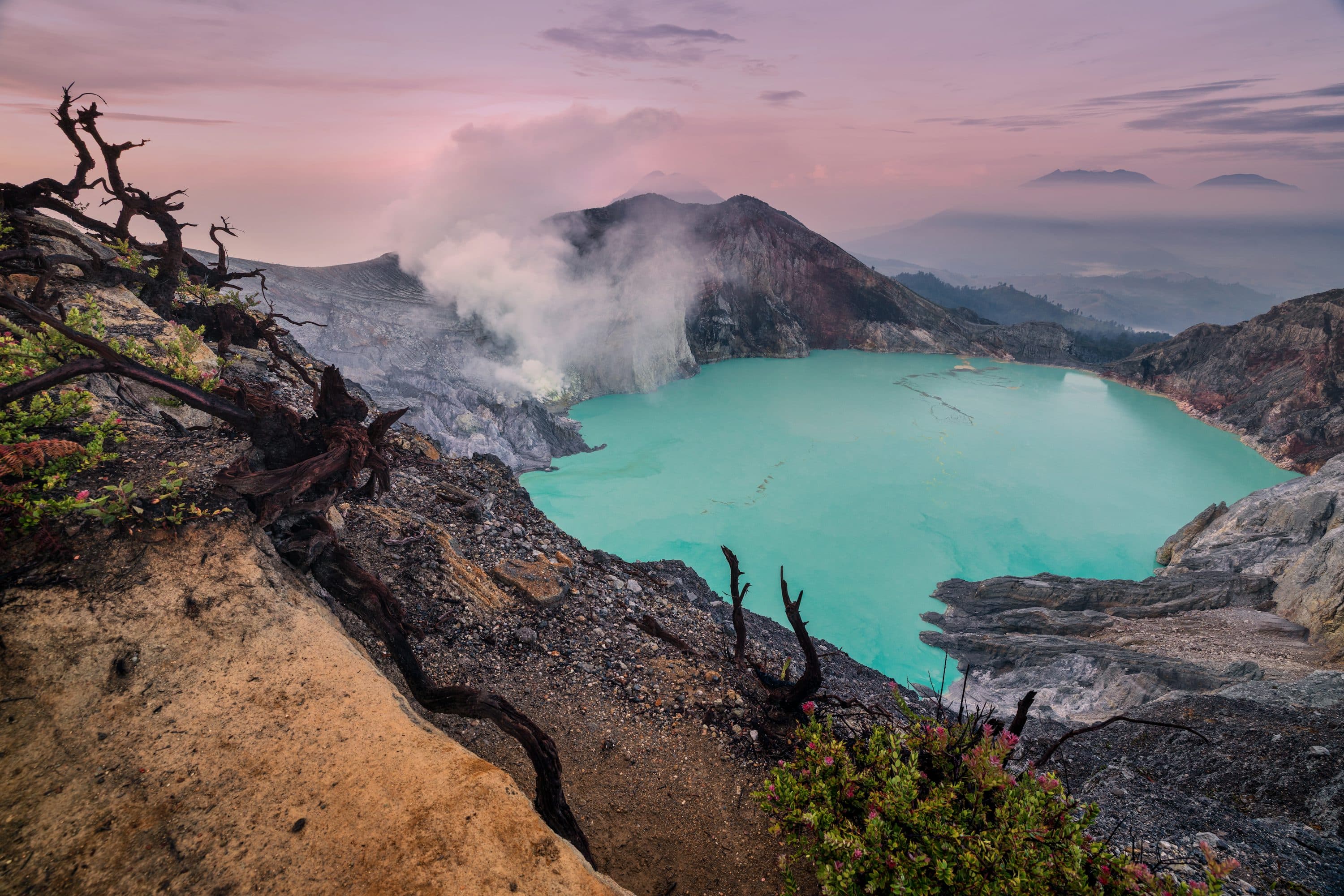
The Ijen blue fire is not a light installation and not an edit. It is burning sulfur gas along the crater walls, glowing electric blue, and it exists in only two places on earth. Since it is the single reason many people wake at midnight in Banyuwangi, the schedule deserves real thought.
The window is narrow
The blue glow is visible from around 01.00 and fades as dawn breaks, roughly 04.30. That means standing at the crater rim before 01.00, which means starting the climb around 23.00 from Paltuding. Coming from Malang, the vehicle leaves the city by 17.00 at the latest. One hour of delay can mean arriving after the fire is out.
Gear that is non negotiable
- A gas mask, not a cloth one, sulfur fumes trigger heavy coughing
- A headlamp with spare batteries, the trail is pitch dark
- A wind jacket, the crater rim is windy and cold
- Grippy shoes, the descent to the crater floor is sandy and slick
- Gloves, the rocks near the flames are hot and the gas bites
Descending to the floor is optional
Watching from the rim alone is already fantastic. Going down to the floor adds to the experience but also to the risk, since you walk through miners' paths and gas zones. If you have breathing issues or bring children, stopping at the rim is the right call, not a defeat. Our trips always lay this choice out clearly before departure.
One final note: Ijen's activity level rises and falls. There are alert periods when the trail closes, and checking the status before you go is mandatory, not a formality. We postpone or reroute trips when the status is unsafe, and you should expect the same from any operator.